From Cracks to Confidence: How Dental Bonding Can Enhance Your Smile
Dental bonding is an effective and accessible way to improve the aesthetics of your smile. Whether you're dealing with cracks, chips, or gaps, this simple procedure can restore your confidence. Let's explore how dental bonding works and the transformational benefits it can offer.
Understanding Dental Bonding
Dental bonding is a cosmetic procedure that involves applying a tooth-colored resin to improve the appearance of your teeth. This section will cover what dental bonding is, how it's applied, and its suitability for various dental issues.
Essentially, dental bonding provides solutions to a wide range of aesthetic problems, ranging from stains to gaps. This resin not only enhances the tooth’s appearance but also resembles the natural texture of your enamel, making it a popular choice among patients looking for a natural look. One of the greatest aspects of dental bonding is that it requires minimal tooth preparation, which means less discomfort and quicker procedures.
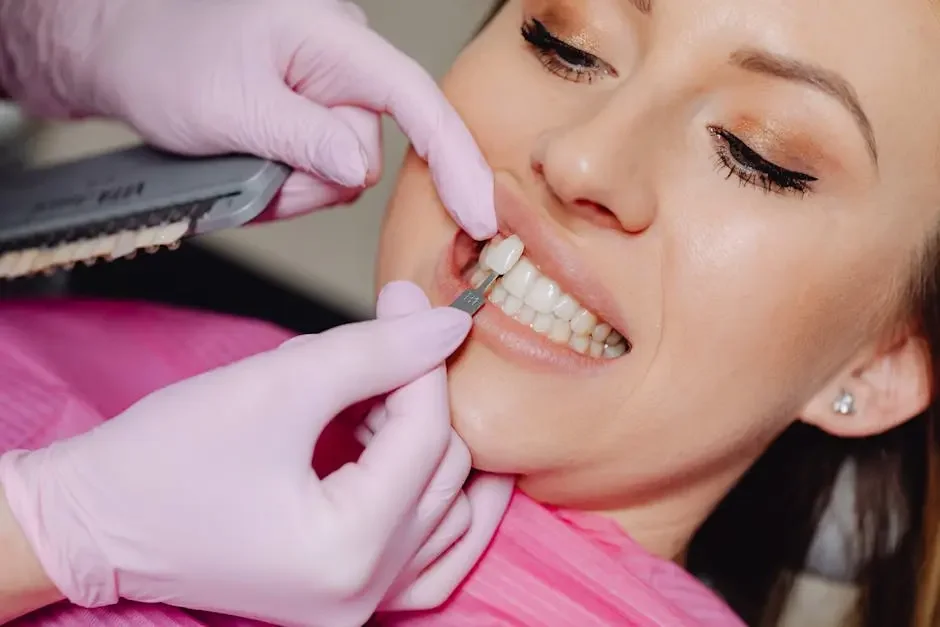
A crucial step in the bonding process is the selection of the right shade to match your teeth. Your dentist will help you find the perfect hue, ensuring your repair blends seamlessly into your smile. Once the shade is selected, the area will be prepared so that the bonding material adheres properly, leading to a smoother finish.
Moreover, dental bonding can also help seal small cavities, which aids in preventing further decay. This antimicrobial effect is just another reason why bonding is not only cosmetic but also functional.
Common Dental Issues Addressed by Bonding
From chipped to cracked teeth, dental bonding effectively addresses various common dental problems. Here, we'll discuss the specific issues that can be treated with bonding and why it’s an excellent option.
Chips often occur due to habits like grinding or biting hard foods, leaving you with unsightly imperfections. Dental bonding can fill in these chips, restoring not only the shape but also the integrity of your teeth. On the flip side, gaps between teeth can also be easily addressed. Bonding can close these gaps quickly, creating an even, beautiful arch with a smile.
Additionally, discolored teeth can be improved through bonding. While whitening treatments are prevalent, sometimes teeth retain stains from age or lifestyle choices. Dental bonding allows you to cover these stains, providing a brighter appearance without the need for extensive treatments.
Lastly, bonding can also serve as a temporary fix while waiting for more extensive dental work like veneers or crowns. It's a versatile treatment that gives patients time to consider their options.
The Procedure: What to Expect
Many people are apprehensive about dental procedures. In this section, we'll walk you through the dental bonding process step-by-step, so you know exactly what to expect during your appointment.
The appointment itself is relatively quick, often lasting only about 30 to 60 minutes per tooth. First, you’ll sit down in the dental chair, and your dentist will evaluate your teeth, discussing your aesthetic goals before starting the procedure. After that, a local anesthetic may be provided if required, especially for extensive repairs or if bonding involves sensitive teeth.
Once you're comfortable, the dentist will prepare your tooth by cleaning it and applying a mild etching solution to help the bonding material attach better. After this, the resin is applied and shaped to match the contours of your tooth. This part requires skill, as it must blend seamlessly with your natural teeth. Depending on the area, the dentist may apply multiple layers, curing each with a special light.
Finally, the dentist will polish the bonded area to give it a nice sheen, making sure that everything looks perfect before you leave. After just one visit, you can walk out with a brighter, more confident smile!
Advantages of Dental Bonding
Dental bonding offers several advantages, including affordability, a quick procedure time, and immediate results. This section will highlight the key benefits that make dental bonding an attractive choice for many.
One major plus of dental bonding is its cost-effectiveness when compared to other cosmetic dental procedures. For patients seeking a quick fix, bonding is generally much less expensive than options like veneers or crowns. This makes it a fantastic entry point for individuals unsure about undergoing more extensive treatments.
In addition to the low cost, the speed of the bond application can't be overlooked. Patients often appreciate how dental bonding can be completed in a single appointment, making it accessible for those with busy schedules. Not only does this minimize disruption to daily life, but it also allows for immediate gratification—the moment you leave the office, your smile can look its best.
Furthermore, bonding is a conservative approach. Unlike crowns, which require extensive tooth reduction, dental bonding typically requires minimal alteration. This preservation of natural tooth structure is an important consideration for those prioritizing their long-term dental health.
Aftercare and Longevity of Dental Bonding
To ensure your new smile lasts, proper aftercare is essential. We’ll provide you with tips on how to take care of your bonded teeth and what to expect regarding longevity and maintenance.
Caring for bonded teeth is quite similar to caring for natural teeth. Regular brushing and flossing are crucial in keeping the bonding material in great shape. However, it’s wise to avoid very abrasive toothpaste, as this can wear down the resin over time. Instead, opt for a gentle formulation to maintain your dental aesthetics.
Also, be mindful of your diet. While dental bonding is durable, it’s advisable to avoid biting down on hard items like ice or hard candies that can potentially chip the bonding material. Staining substances like coffee, red wine, and cigarettes should also be consumed in moderation as they can have a long-term impact on the appearance of the resin.
If properly cared for, dental bonding can last several years, often up to 10 years or more. However, periodic check-ups with your dentist will ensure that the bond remains intact and effective, providing an opportunity for repairs or touch-ups as needed.
Real-Life Transformations: Patient Experiences
Sometimes the best insights come from those who have experienced dental bonding firsthand. This section will share patient testimonials and before-and-after photos to illustrate the transformative power of bonding.
Take, for example, Sarah, a 29-year-old teacher who struggled with small chips on her front teeth due to years of grinding. After receiving dental bonding, she reported an increase in her confidence and willingness to smile in photographs. Sarah mentioned, 'It’s like a weight has been lifted off my shoulders. I can finally smile without feeling self-conscious.'
Then there’s Michael, a former athlete with a gap between his incisors that he felt hindered his professional persona. Following his bonding treatment, he shared, 'I didn’t just fix a gap; I transformed my entire outlook on personal branding. I feel more approachable and confident in meetings. It's amazing how a little change can make a big impact.'
These stories, like many others, reinforce the idea that dental bonding can significantly affect a person's life. The testimonials combined with striking before-and-after photos showcase this remarkable process, allowing others to see that change is not only possible but within reach.
Embracing Your New Smile
Dental bonding can significantly enhance your smile, giving you the confidence you deserve. Whether you're looking to address minor imperfections or needing a more coordinated approach to your dental health, bonding is a fantastic solution. Consult with your dentist today to see how dental bonding can help you go from cracks to confidence!