The Benefits of Dental Bonding: Achieving a Beautiful Smile with Ease
Dental bonding is a popular and effective cosmetic dental procedure that can transform smiles quickly and affordably. In this blog post, we’ll delve into how dental bonding works, its benefits, and why it might be the perfect solution for you. Let’s explore how achieving a beautiful smile can be both easy and enjoyable!
Understanding Dental Bonding
Dental bonding involves the application of a tooth-colored resin to repair or improve the appearance of teeth. This section outlines the process, materials used, and what to expect during a dental bonding procedure.
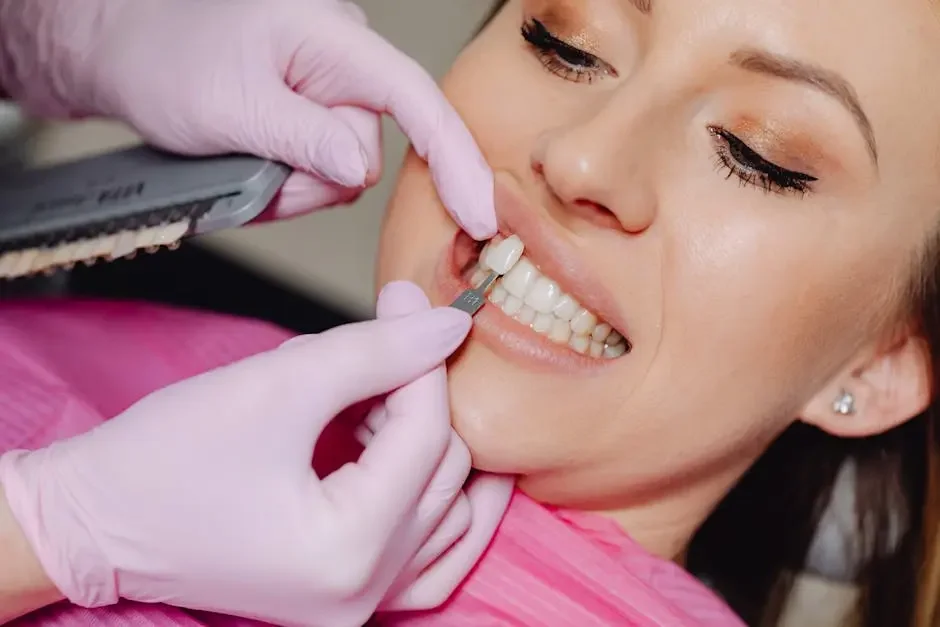
At its core, dental bonding is about using a controlled procedure to enhance your smile. The first step typically involves your dentist selecting a shade of resin that closely matches your natural tooth color. This attention to detail ensures that the results are seamless and virtually undetectable. Once the right shade is chosen, the dentist will prepare the tooth surface by slightly roughening it. This allows the resin to bond more effectively to your tooth, which is crucial for a long-lasting result.
After preparing the tooth, a special adhesive is applied, followed by the resin. The exciting part? This resin is moldable, which means your dentist can sculpt it to achieve the perfect shape. It is then hardened using a special light, locking the material in place. With this method, patients often leave the office with a noticeably improved smile in just one visit, showcasing how efficient and straightforward dental bonding can be.
Quick and Painless: The Procedure
One of the greatest advantages of dental bonding is how quick and painless the procedure typically is. Here, we discuss the steps involved and the time required, highlighting its efficiency for busy individuals.
Imagine walking into your dentist's office with a chipped tooth and walking out just an hour later with a perfect smile. This is the beauty of dental bonding. Generally, the entire procedure can be completed in 30 to 60 minutes, depending on the extent of the work being done. The best part? Most patients require little to no anesthesia, making it a hassle-free solution for many. This stands in stark contrast to other extensive dental procedures that can take several appointments and hours of time.
During the procedure, your dentist will communicate with you throughout the process, ensuring you feel comfortable at every step. The only sensations you might experience are a slight pressure during the application of the resin, but many find it far less uncomfortable than they had anticipated. This approach not only saves time but also minimizes anxiety, making it an appealing choice for those who might be apprehensive about dental work.
Cost-Effective Solutions for Your Smile
Compared to other cosmetic dental procedures, dental bonding is often more budget-friendly. This section breaks down the costs and explains why it’s a smart investment for enhancing your smile.
When considering cosmetic dentistry, the costs can vary widely, often making patients apprehensive. However, dental bonding is one of the most economically viable options available. On average, the costs for dental bonding can range from $100 to $400 per tooth, which is significantly lower than alternatives like crowns or veneers that can reach into the thousands. For individuals seeking a smile enhancement without breaking the bank, dental bonding truly offers an appealing solution.
Furthermore, insurance coverage for dental bonding may also be more favorable compared to more complex procedures. This flexibility makes it increasingly accessible for patients who might feel overwhelmed by dental costs. Investing in your smile through dental bonding is not only a financial decision but also a step toward self-confidence and overall wellbeing. In a world where first impressions are crucial, having a bright, flawless smile can open up many doors, both personally and professionally.
Versatile Applications of Dental Bonding
Dental bonding is versatile and can address a range of issues from chipped teeth to gaps. Here, we explore various scenarios where dental bonding can provide effective solutions.
One of the most remarkable features of dental bonding is its adaptability. Whether you have a small chip, a discolored tooth, or gaps between your teeth, bonding can work wonders. For instance, if you’ve ever felt self-conscious about a minor imperfection like a small crack, dental bonding is an excellent way to mask it without the need for more invasive procedures. This adaptability allows men and women of all ages to pursue their ideal smiles without extensive dental work.
Additionally, dental bonding can even be used to lengthen teeth that may be shorter than their neighbors or reshape uneven edges. The application’s simple nature allows your dentist to use their artistic skills to address these concerns seamlessly. In many cases, patients leave the office not just feeling better about one aspect of their smile but as if they’ve received a full makeover in terms of their self-esteem and confidence.
Caring for Your Bonded Teeth
Post-procedure care is essential for maintaining the beauty of your bonded teeth. This section offers practical tips on how to care for your smile after bonding treatments.
Maintaining your newly bonded teeth is as crucial as the procedure itself. While dental bonding is designed to last, it’s essential to take proactive steps in ensuring longevity. For starters, regular dental check-ups should remain a priority, as your dentist will monitor the condition of the bonding material during routine visits. Additionally, practicing good oral hygiene—brushing twice daily and flossing routinely—will contribute to a healthier mouth overall, preventing decay and discoloration around the bonded areas.
It's also wise to avoid habits that might compromise your bonded teeth's integrity, such as chewing on hard objects, using your teeth as tools, or grinding them at night. Any of these behaviors can chip or damage the bonding material, negating all the hard work put in to create that beautiful smile. By fostering these healthy practices, you not only enhance the value of your investment but also ensure that your smile remains as radiant and captivating as ever.
Final Thoughts on Dental Bonding
In summary, dental bonding is an excellent option for those seeking to enhance their smile without the stress of lengthy procedures or high costs. Its versatility, quick application, and natural appearance make it a preferred choice for many. If you're considering a dental improvement, consult your dentist about dental bonding and see how it can help you achieve the smile you've always wanted.